Blog & Resources
Guides, news and best practices on Open Science and scientific indexing.
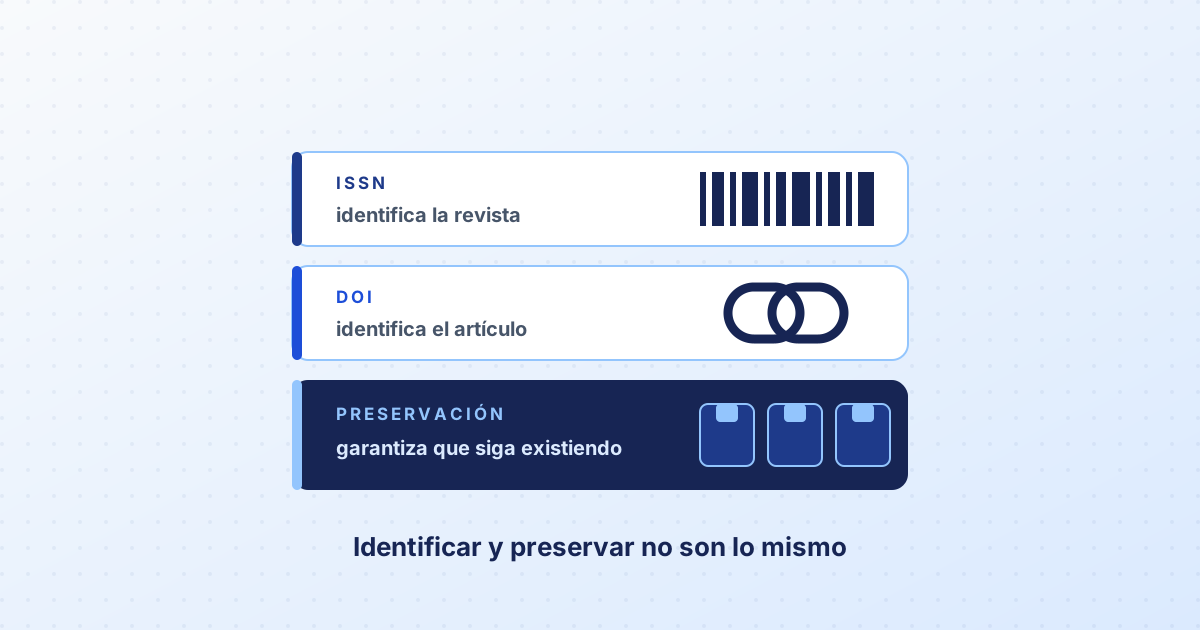
ISSN, DOI and preservation: making sure your journal still exists in twenty years
Identifying and preserving are two different problems with different solutions. A journal that solves only the first has links that work today and content that can vanish tomorrow.
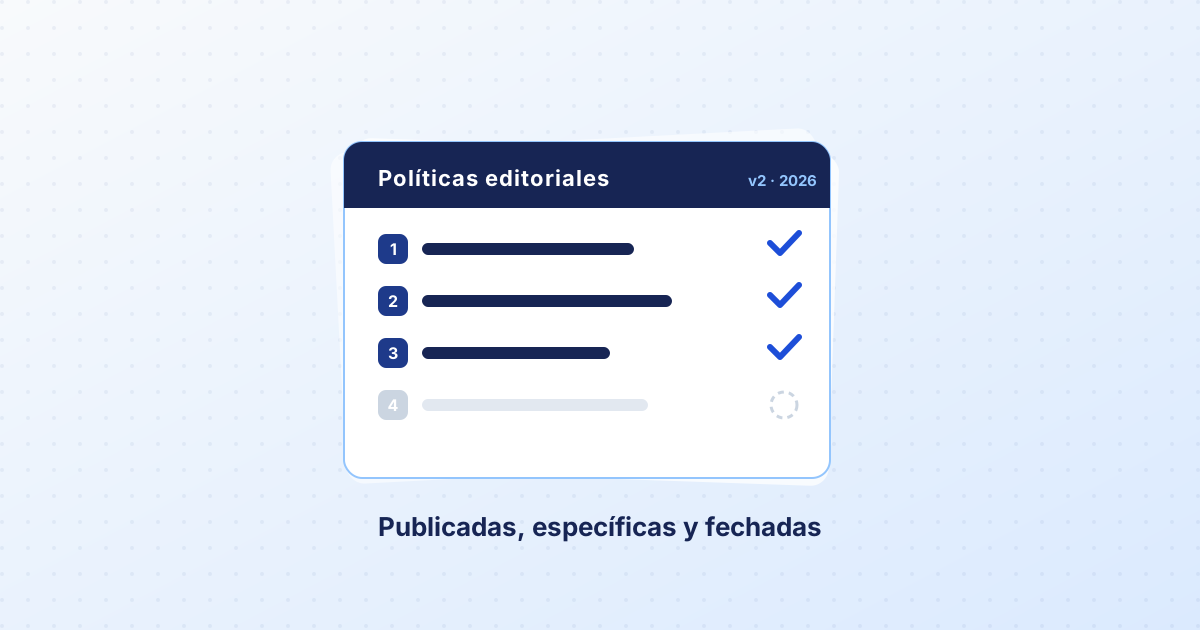
The policies your journal must publish (and almost nobody can find)
Having editorial policies is not enough: they have to be published, specific and findable in two clicks. Here is the minimum list and what each one must say.
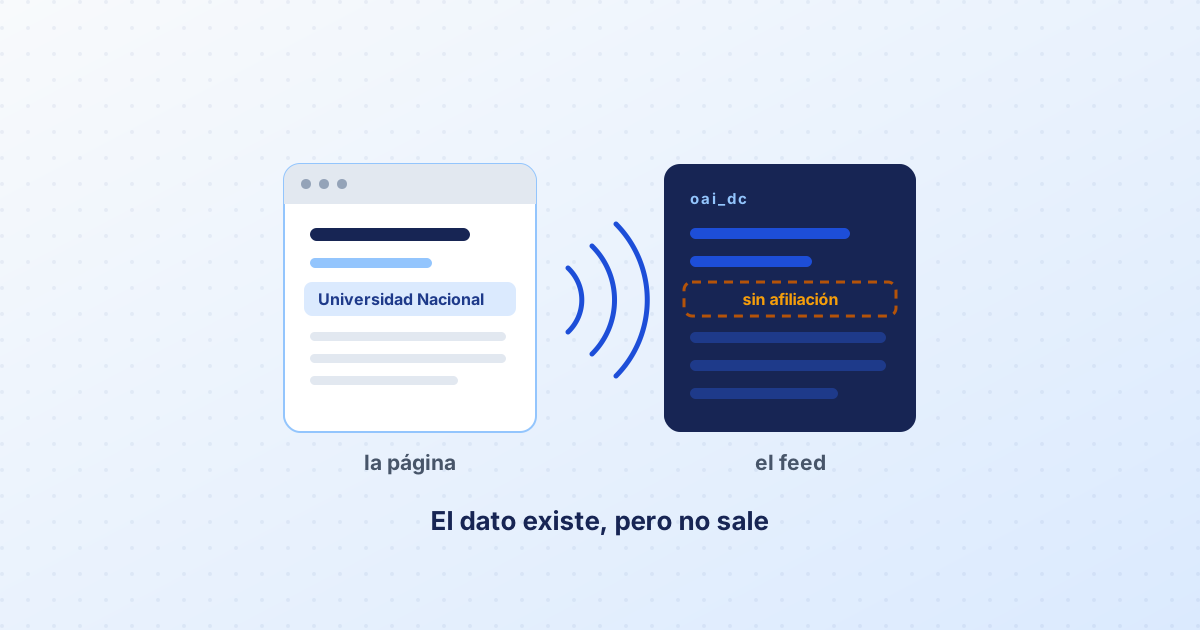
The metadata your journal has but is not exporting
In one journal we analysed, 227 out of 1,411 articles displayed the affiliation on the article page but left it out of their metadata feed. The data existed; for the rest of the world, it did not.
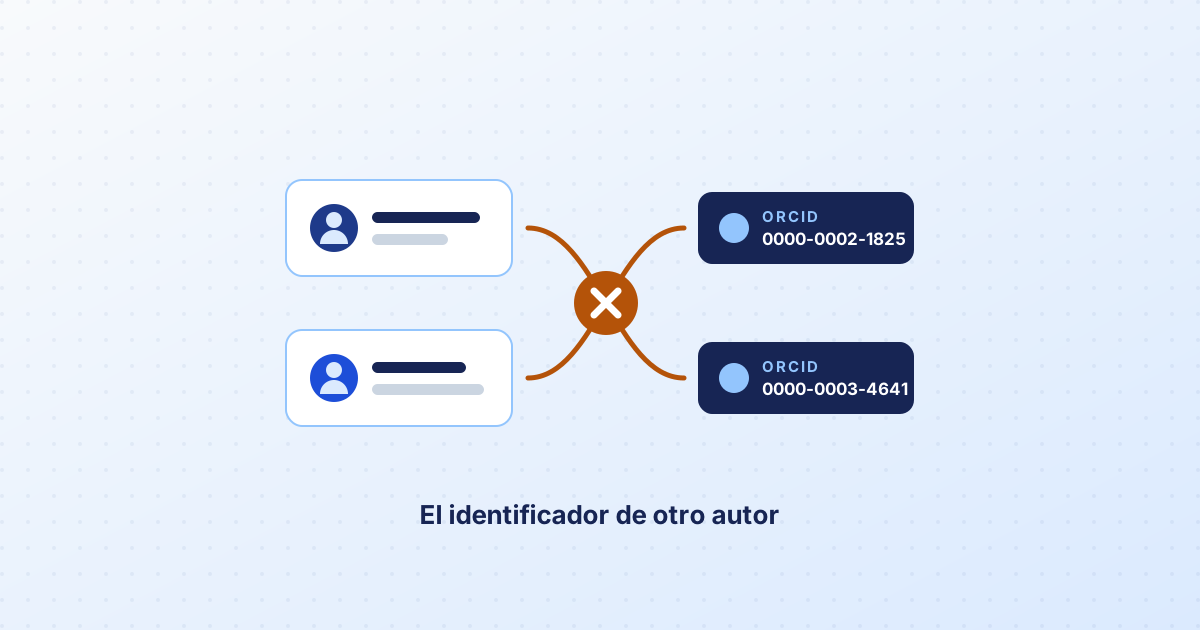
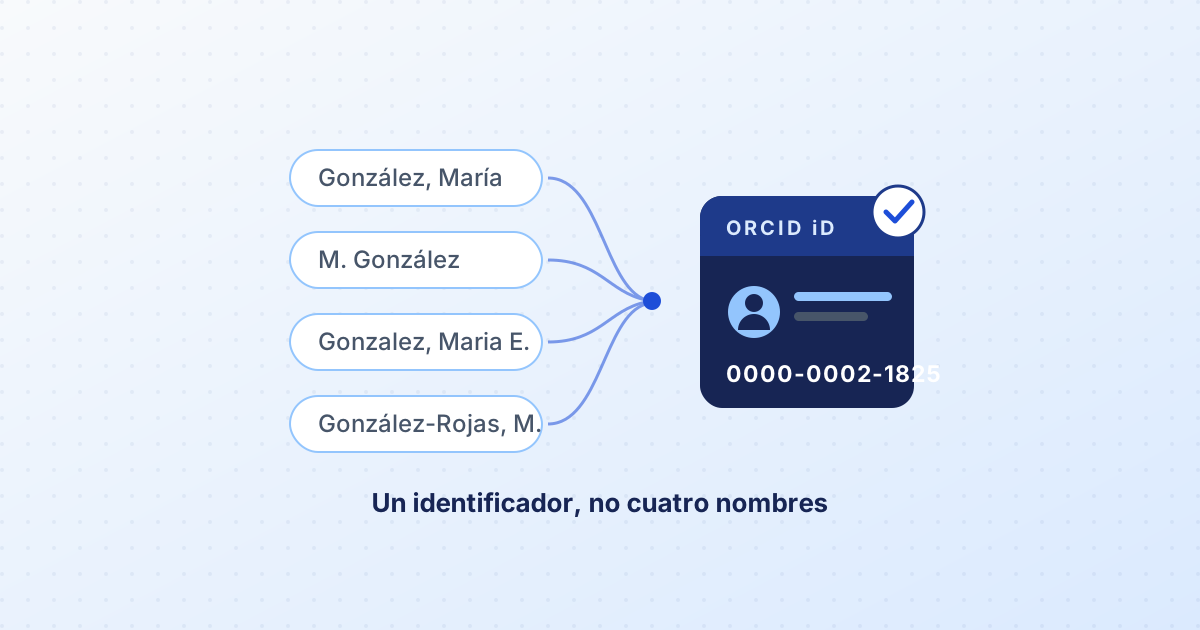
The mistyped ORCID: the most common silent error in a journal’s metadata
Harvesting metadata from journals across the region, we found ORCIDs swapped between co-authors, the journal’s own ORCID attached to an author, and the same code repeated across sixteen bylines. How to prevent it.
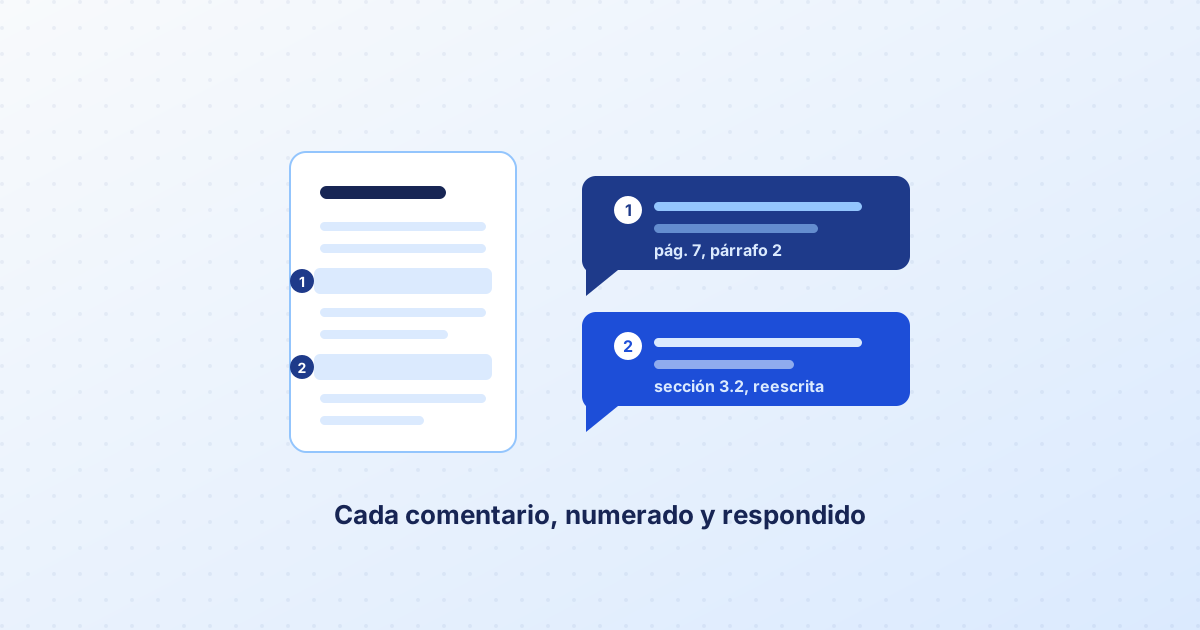
How to respond to peer review without losing the paper or your temper
The reports are in and they ask for changes. The response letter is a technical document with rules of its own: writing it well multiplies your chances of acceptance.
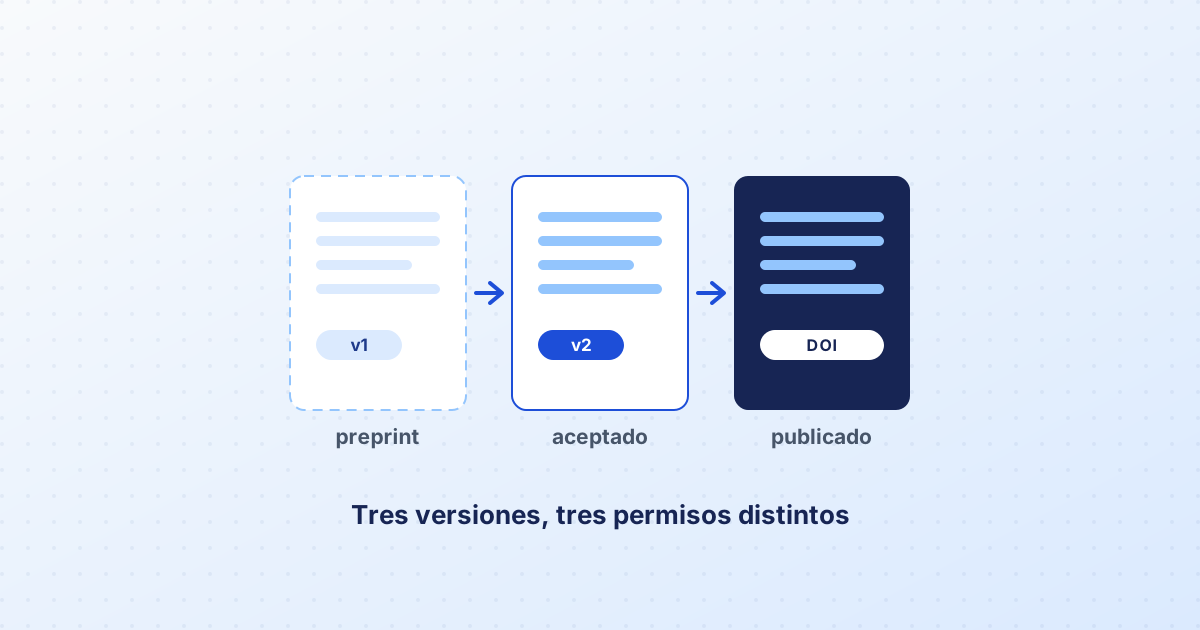
Preprints, postprints and versions: what you can deposit and when
An article has at least three versions and each one has its own deposit rules. Confusing them is the most frequent mistake when uploading work to a repository.
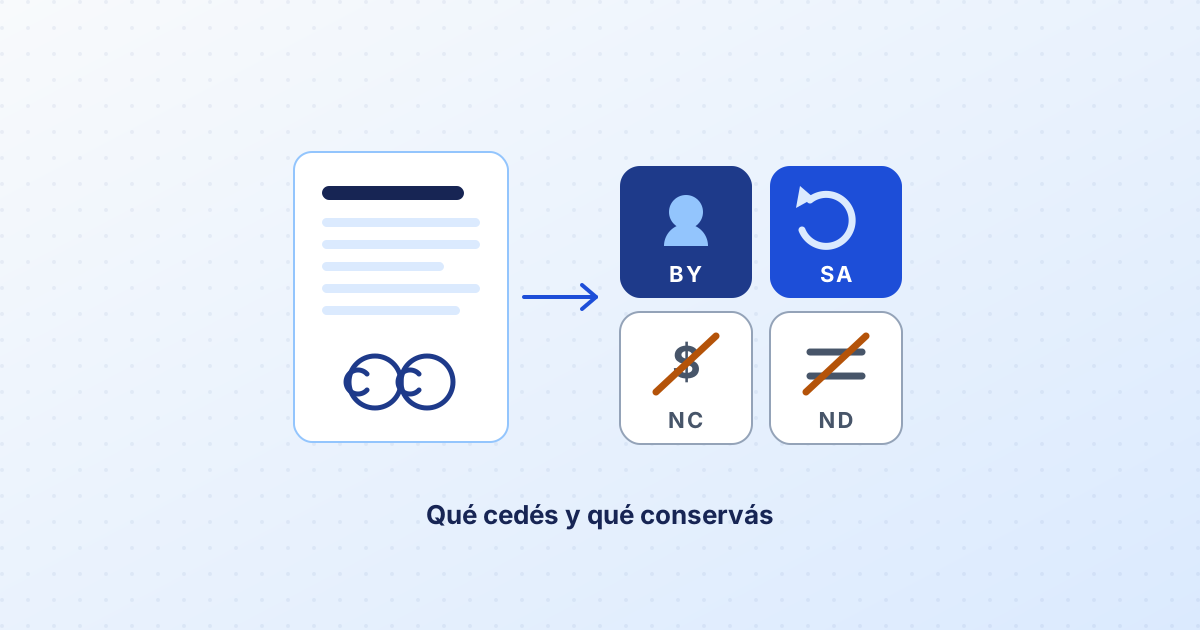
Creative Commons licences: what you give away and what you keep
CC BY, CC BY-NC, CC BY-SA, CC0. Four labels that decide who can reuse your work, for what, and under what conditions. Worth understanding before you sign.
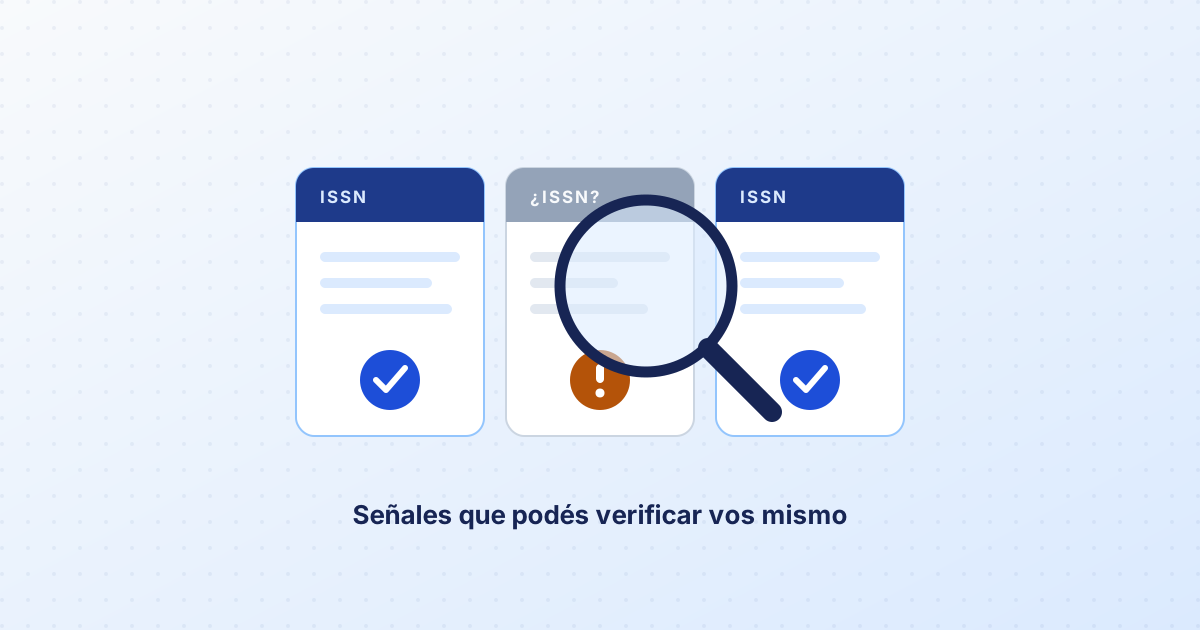
How to choose where to publish: verifiable signals of a serious journal
There is no reliable blacklist and no complete whitelist. What does exist is a set of signals you can check yourself in twenty minutes.
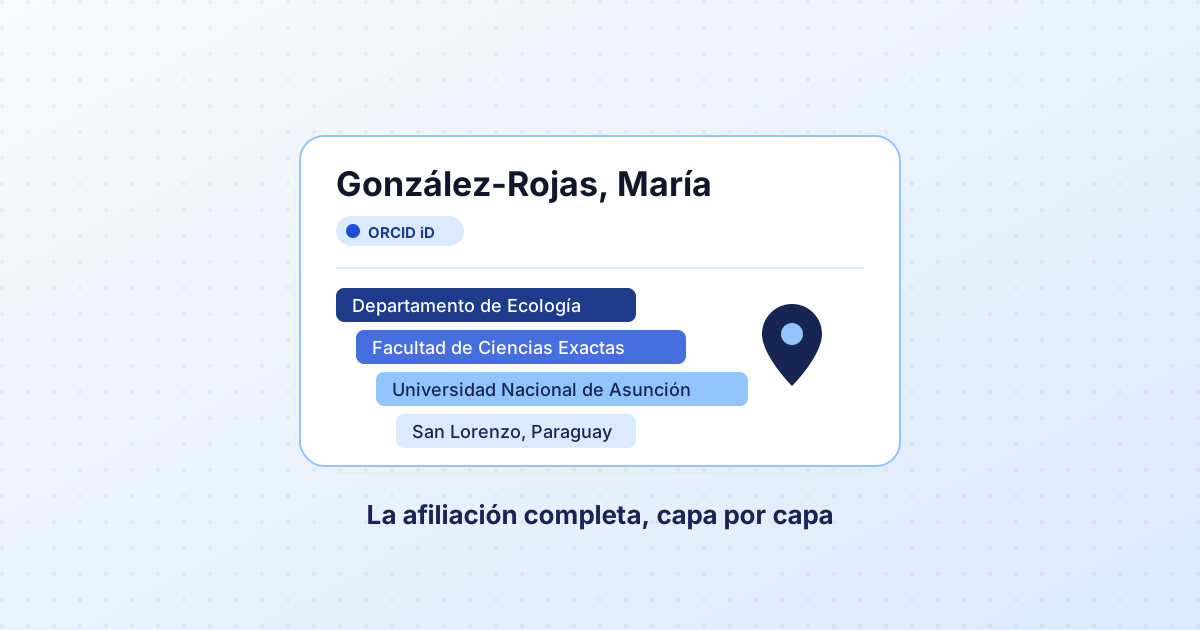
How to sign your papers: a consistent name and a complete affiliation
Your byline and affiliation are metadata, not paperwork. How you write them decides whether your output can be counted, and whether your institution shows up in the rankings that measure it.
Subscribe to the newsletter
Receive the latest news, guides and updates on Open Science and indexing directly in your email.
No spam. You can unsubscribe at any time.